Here’s the uncomfortable truth nobody at the dealership will tell you: the most reliable new cars are usually the ones marketing departments find painfully boring. Reliability doesn’t wear a carbon-fiber jacket or shout about “AI-powered driving vibes.” It’s the stuff that quietly gets you to work at 6 a.m. in February while your neighbor’s over-optioned techno-luxury spaceship is waiting for a software update.
This matters right now because new-car prices are still hovering like a bad smell, with average transaction prices around $48,000 in the U.S. for 2025–2026. I’ve driven dozens of new cars this year alone, and the gap between “reliable” and “overpriced nonsense” has never been wider. If you want reliable new cars without torching your savings, you need to buy with your brain, not your Instagram feed.
Think of this as your pub-side guide to buying smart in 2026: fewer headaches, fewer recalls, and no paying $4,000 extra for an ambient lighting package that’ll age like a Facebook poke. We’ll lean on real-world data, common sense, and yes, a healthy distrust of corporate buzzwords.
Why Reliability Is the Only Spec That Actually Matters
Horsepower figures are fun, but they won’t save you when your car’s infotainment system bricks itself and takes the climate control with it. Reliability means fewer surprise repair bills, higher resale value, and not spending your Saturdays arguing with a service advisor named Brad. According to every major car reliability study worth reading, long-term ownership pain is less about engines exploding and more about electronics throwing tantrums.
Hot take: modern engines are mostly fine; it’s the software that’s ruining cars. Touch-sensitive everything, over-the-air updates, and “driver wellness monitoring” are brilliant until they aren’t. Brands like Toyota, Lexus, and Mazda still understand that simple, proven tech beats beta-testing on paying customers.
Stop Trusting Badges, Start Trusting Data
Brand reputation is a blunt instrument. Yes, Toyota and Honda still score well, but blindly buying a logo is how people end up overpaying for mediocrity. Dig into model-specific data from a proper car reliability study, not just brand rankings, because a reliable Corolla doesn’t automatically mean a reliable turbocharged luxury crossover from the same parent company.
This is where cross-shopping matters. A Toyota Camry Hybrid (starting around $28,000, check manufacturer website for latest pricing) routinely outperforms flashier rivals like the Hyundai Sonata Hybrid, Kia K5, and VW Passat in long-term dependability. Meanwhile, some luxury brands are coasting on past glory while quietly racking up recalls like Pokémon.
If you want a deeper dive into which models are genuinely solid for 2026, our breakdown of Most Reliable Cars 2026: Best Value Picks is required reading.
Reliable New Cars Love Old-School Engineering
Here’s the secret sauce: the most reliable new cars often use engines and gearboxes that have been around longer than your favorite YouTube car reviewer. Naturally aspirated four-cylinders, conventional automatics, and hybrid systems refined over multiple generations are your friends. Turbo-everything paired with experimental transmissions? That’s how you become a case study.
Mazda’s 2.5-liter Skyactiv engine, Toyota’s 2.5-liter hybrid system, and Honda’s K-series descendants are dull on paper but bulletproof in reality. Compare that to some 400-hp compact SUVs chasing BMW X3 M numbers, and I’ll take “boring but works” every time. Clarkson would sneer, but your wallet will applaud.
Features That Quietly Kill Reliability
Let’s talk about the stuff dealers upsell hardest, because that’s often where trouble hides. Air suspension, frameless door glass, motorized everything, and fully touch-based HVAC controls all add complexity without adding reliability. I’ve seen $70,000 SUVs sidelined because a $200 sensor didn’t feel like talking to the main computer.
Controversial hot take: panoramic glass roofs are a reliability nightmare masquerading as luxury. They rattle, leak, and cost thousands to fix outside warranty. If you want sunlight, roll down the window and enjoy the sound of an engine that isn’t paired with 14 microprocessors.
Don’t Overpay Just to Feel “Premium”
Here’s where people hemorrhage money. A Lexus ES Hybrid starting around $44,000 delivers similar real-world comfort, better reliability, and lower running costs than a BMW 5 Series, Mercedes-Benz E-Class, or Audi A6 that’s $10,000 more once options creep in. Badge envy is expensive, and resale values don’t care about your ego.
This ties directly into ownership costs, which we’ve covered in painful detail in Luxury Car Ownership Costs: 2026 Breakdown. Spoiler alert: the purchase price is just the opening act. Maintenance, insurance, and depreciation are where unreliable cars really hurt.
Hybrids Are the Reliability Sweet Spot (Yes, Really)
Ten years ago, hybrids scared buyers. In 2026, they’re some of the safest bets you can make. Toyota and Ford hybrids regularly hit 45–52 mpg combined, reduce brake wear thanks to regenerative braking, and use engines that loaf along instead of screaming at redline.
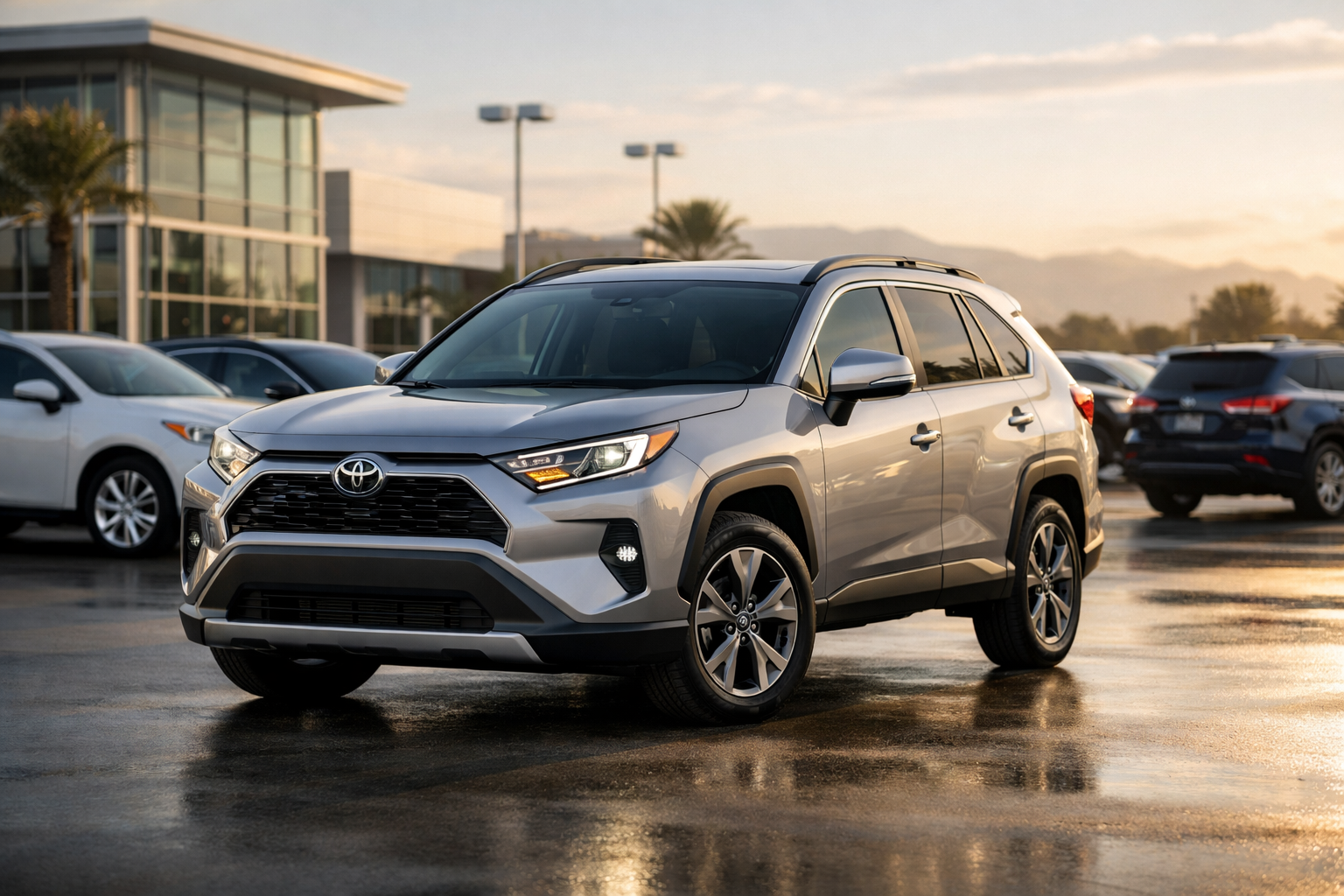
A Toyota RAV4 Hybrid (starting around $31,000) will do 0–60 mph in about 7.5 seconds, return roughly 40 mpg combined, and outlast many pure-gas rivals like the Nissan Rogue, Chevy Equinox, and VW Tiguan. If you’re still scared of hybrid batteries, you’re living in a 2008 comment section.
Use Safety and Fuel Data Like a Pro
Before signing anything, I always cross-check safety and efficiency data. The NHTSA gives you crash-test reality, not marketing fluff, while FuelEconomy.gov shows what you’ll actually spend at the pump. Reliability isn’t just about repairs; it’s about avoiding accidents and fuel shock.
Manufacturers love quoting best-case MPG numbers achieved downhill with a tailwind. Real-world combined figures matter more, especially if you’re commuting daily. A car that’s reliable but thirsty will still drain your budget one fill-up at a time.
Common Buying Mistakes That Cost You Thousands
Mistake one: buying the first model year of a full redesign. Let someone else beta-test it. Mistake two: over-optioning a reliable base car into an unreliable science experiment. And mistake three: assuming AWD automatically equals reliability, which we’ve tackled in AWD Winter Driving: Is It Enough?.
Another pub-worthy hot take: extended warranties often exist because the car needs one. Truly reliable models don’t require a financial parachute. If the finance manager is sweating while pitching coverage, ask yourself why.
Step-by-Step: How I’d Buy a Reliable New Car in 2026
First, shortlist models with at least three years of proven mechanicals. Second, cross-reference owner data and independent reliability scores. Third, test-drive the base or mid-trim, not the fully loaded unicorn the dealer wants you to fall in love with.
Finally, price-check against direct competitors like the Honda Accord, Toyota Camry, Mazda6 replacement, Subaru Legacy, and Hyundai Sonata. Reliability plus value is the goal, not winning a spec-sheet war.
Pros
- Lower long-term ownership costs
- Better resale value after 5 years
- Less downtime and fewer recalls
- Peace of mind beats bragging rights
Cons
- Less flashy tech and design
- May feel “boring” to some buyers
- Fewer headline-grabbing specs
The smartest car buyers I know don’t chase hype; they chase sleep-at-night dependability. Choose reliable new cars built on proven engineering, skip the glittery nonsense, and you’ll still be smiling when everyone else is arguing with their warranty provider. Reliability isn’t sexy, but neither is a tow truck.