I’ll say it louder for the guy in the AWD crossover with summer-grade rubber: snow tires vs all season is not a “preference,” it’s physics. I’ve watched $70,000 SUVs pirouette into snowbanks because their owners trusted a badge and some marketing fluff instead of actual grip. Tires are the only part of your car touching the road, and in winter, they matter more than horsepower, drivetrain, or whatever your dealer upsold you.
This matters right now because winter doesn’t care about your commute, your kids, or your deductible. Cold weather driving turns lazy rubber into hockey pucks below 45°F, and no amount of traction control wizardry can save you when friction packs up and leaves. If you’re still debating snow tires vs all season while scraping ice off your windshield, you’re already behind.
I’ve driven dozens of cars in winter, from Subaru Outbacks to BMW X5s to Ford F-150s, and the pattern is always the same. Put proper winter tires on any of them and they feel like superheroes; leave all-seasons on and they’re nervous wrecks. Let’s break down why this isn’t even a close fight.
Why Winter Rubber Changes Everything
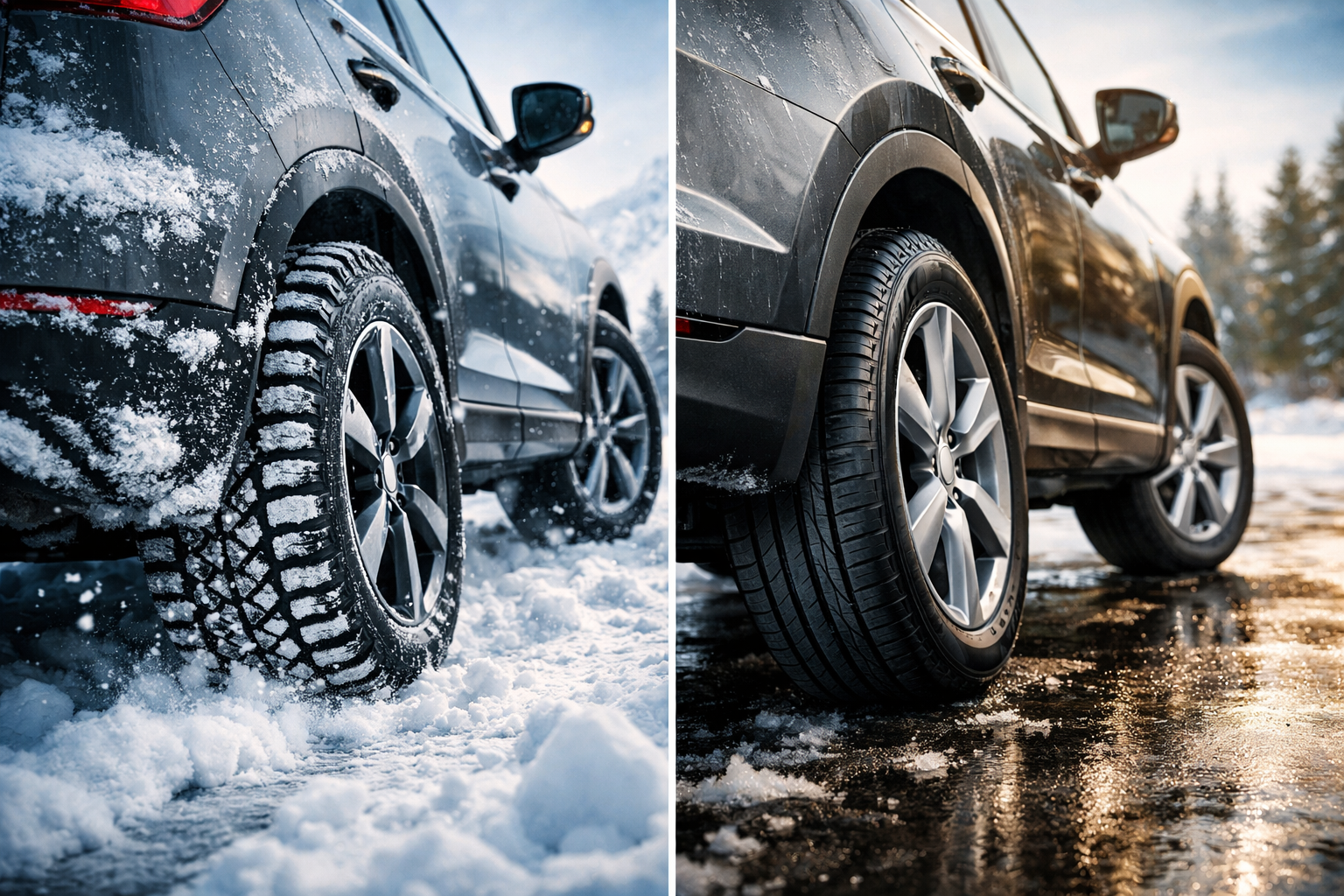
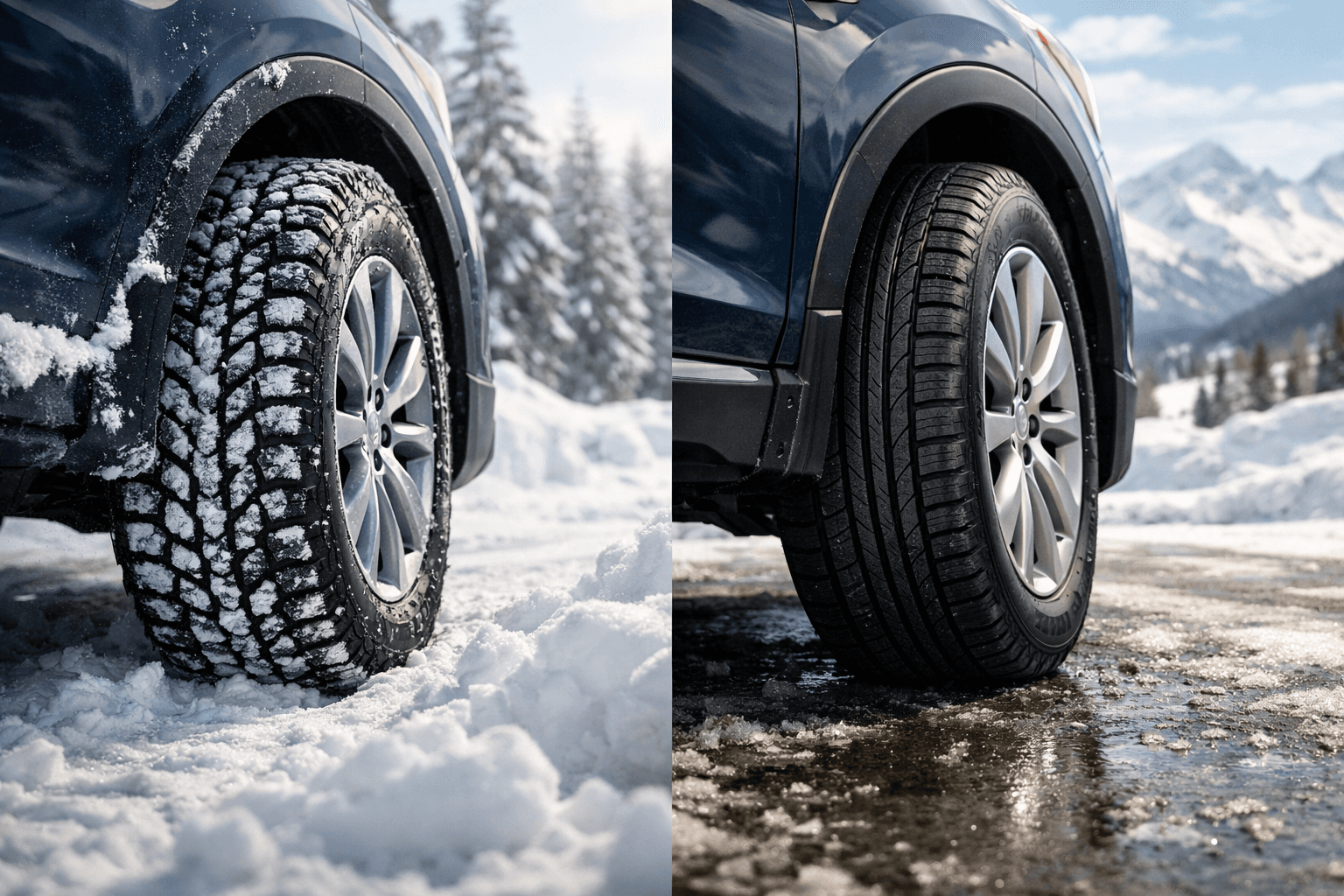
Winter tires use a softer rubber compound designed to stay pliable below 45°F, when all-seasons start acting like frozen mozzarella. That means more mechanical grip on cold asphalt, snow, and ice, even before tread design comes into play. Stopping distances can improve by 20–30% on packed snow, which is the difference between a near miss and an insurance claim.
Tread matters too, with deeper grooves and aggressive siping that bite into snow like a set of crampons. Watch any Tire Rack test and you’ll see a front-wheel-drive hatchback on winter tires outbrake an AWD SUV on all-seasons. Yes, even your beloved Toyota RAV4 or Honda CR-V isn’t immune to physics.
Snow Tires vs All Season: The Real-World Difference
Here’s the controversial hot take: all-season tires are a compromise that mostly exists to keep leasing customers happy. They’re acceptable from about 50°F to light snow, then fall apart faster than a startup EV brand. In cold weather driving, that compromise becomes a liability.
Snow tires vs all season isn’t about acceleration bragging rights; it’s about braking and steering, the two things that keep you out of trouble. I’ve felt ABS chatter endlessly on all-seasons while winter tires just dig in and stop. That confidence alone is worth the price of admission.
But I Have AWD, Isn’t That Enough?
No, and this myth refuses to die. AWD helps you go, not stop, and it does absolutely nothing for lateral grip on ice. I don’t care if it’s Subaru Symmetrical AWD, Audi Quattro, or BMW xDrive; without winter tires, they all slide like penguins.
If you want the full breakdown on this, read our AWD winter driving tips, because the data is ruthless. Tires are the foundation, drivetrain is just the multiplier. Multiply zero grip by four wheels and you still get zero.
Cost, MPG, and the “They’re Too Expensive” Argument
A decent set of winter tires costs approximately $800–$1,200 installed, depending on size and brand—Michelin X-Ice, Bridgestone Blizzak, and Nokian Hakkapeliitta are the usual gold standards. That’s less than your insurance deductible and a rounding error compared to modern car repair bills. Check manufacturer websites like Michelin for latest pricing.
Yes, winter tires can knock 1–2 mpg off fuel economy due to rolling resistance. According to FuelEconomy.gov, that’s maybe $50–$80 extra per season for most drivers. If that bothers you more than sliding through an intersection, we have different priorities.
When All-Seasons Are Actually Acceptable
If you live somewhere that sees winter temperatures but minimal snow—think coastal Pacific Northwest or southern Mid-Atlantic—high-quality all-seasons can be tolerable. Tires like the Michelin CrossClimate2 blur the line with a 3PMSF rating and strong cold performance. They’re still not true winter tires, but they’re the least-worst compromise.
This is where honesty matters: if your winters are mild and roads are cleared quickly, you might be fine. But the moment you’re dealing with ice, hills, or unplowed streets, you’re gambling. Read Winter Driving 101 if you want the full prep checklist beyond tires.
Common Mistakes I See Every Winter
First, mixing tire types front to rear, which turns your car into a handling science experiment. Second, buying winter tires and never checking pressure, even though cold temps can drop PSI by 5–10. Third, assuming older winter tires are “still fine” when the compound has hardened with age.
Another classic blunder is mounting winter tires on oversized wheels because “they look better.” Narrower tires cut through snow more effectively, which is why rally cars don’t run 21-inch fashion statements. Grip doesn’t care about your Instagram feed.
Pro Tips From Someone Who’s Been There
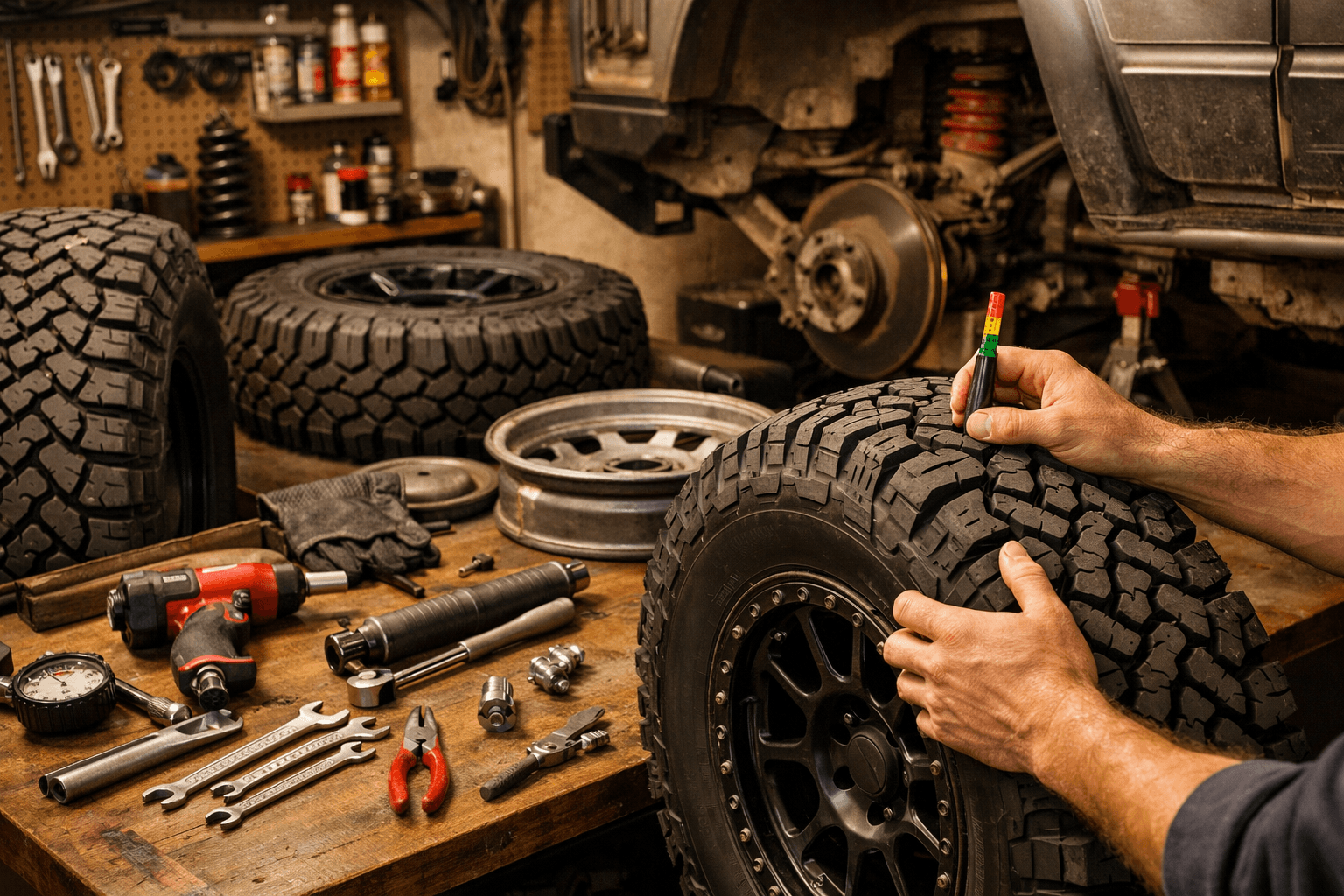
Buy a dedicated winter wheel-and-tire package and swap it yourself or at a local shop for $50, saving your expensive alloys from salt corrosion. Mark the tires’ previous positions and rotate them each season to even out wear. Store them in a cool, dark place, not next to your furnace.
If you road-trip in winter, preparation matters beyond rubber. Our winter road trip prep guide covers everything from emergency kits to battery health, because tires are critical, not magical.
Pros
- Massively shorter braking distances in snow and ice
- Predictable steering and stability below 45°F
- Works on any drivetrain: FWD, RWD, AWD
- Reduces accident risk and driver stress
Cons
- Upfront cost of $800–$1,200
- Slight fuel economy penalty
- Seasonal storage required
The verdict is simple and slightly uncomfortable: snow tires vs all season shouldn’t be a debate if winter is real where you live. Winter tires transform any car, from a Mazda3 to a Chevy Tahoe, into something calmer, safer, and frankly more enjoyable. Ignore them if you want, but winter always collects its dues.
Frequently Asked Questions
Are snow tires worth it compared to all-seasons?
Yes, especially below 45°F and in snow or ice. Winter tires can reduce stopping distances by up to 30% on snow compared to all-seasons.
Do I still need winter tires if I have AWD?
Yes. AWD helps acceleration, not braking or cornering. Tires determine grip, regardless of drivetrain.
How long do winter tires last?
Typically 3–5 winters or about 20,000–30,000 miles, depending on driving style and storage conditions.
When should I switch between snow tires vs all season?
Install winter tires when average temperatures drop below 45°F and remove them once spring consistently stays above that mark.