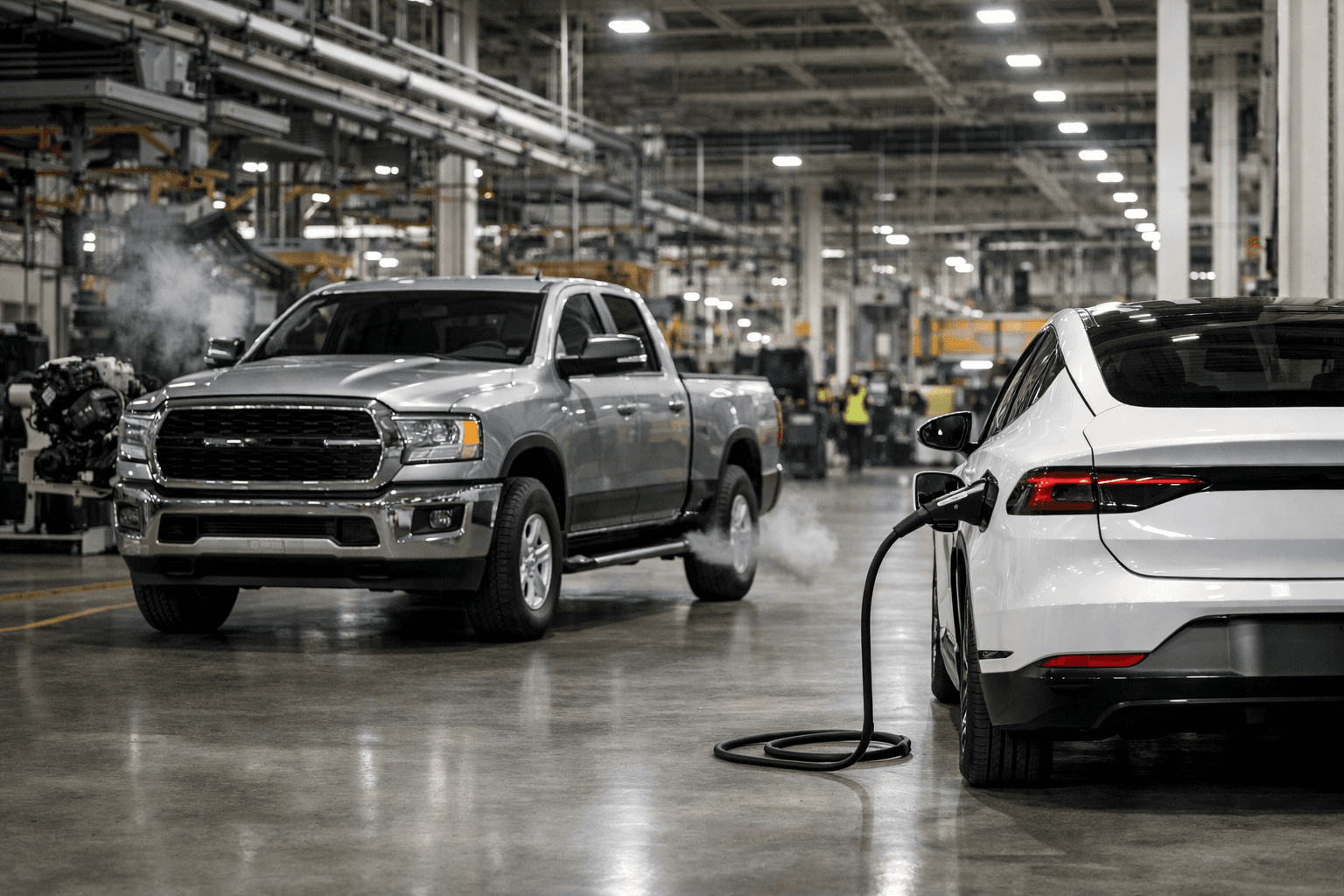
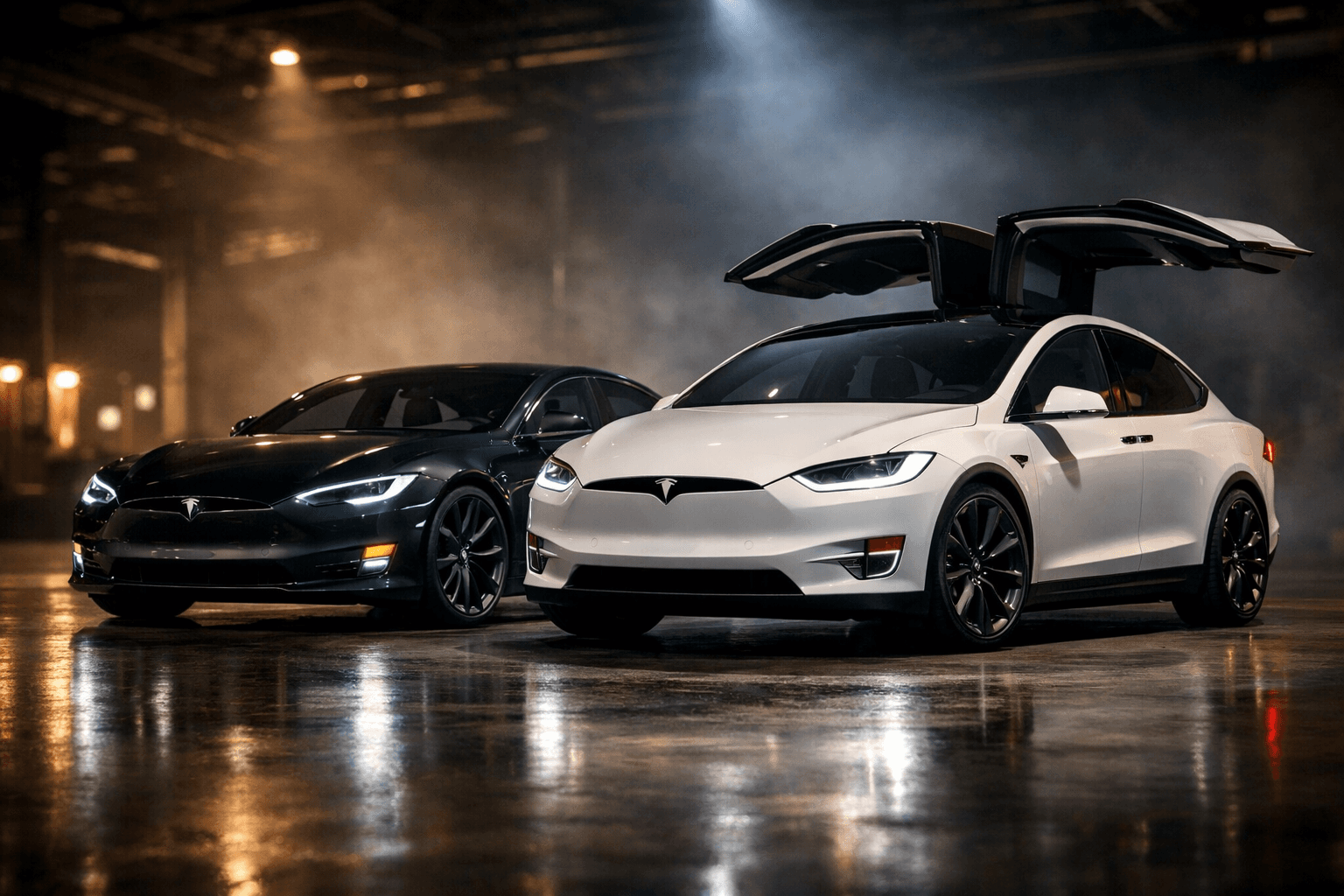
Tesla killing its crown jewels sounds mad, like Ferrari binning the 911. Yet here we are, staring down the Tesla Model S end and the quiet fade-out of the Model X, two cars that once made German luxury sedans feel like steam locomotives. This matters right now because if you’re cross-shopping a $90,000-plus EV in 2026, the ground just shifted under your charging cable.
I’ve driven dozens of SUVs and sedans over the last decade, and the Model S was the first EV that genuinely scared supercars. Now Tesla’s strategy looks less like innovation and more like ruthless pruning, and buyers need to understand what they’re gaining, and losing, as the company pivots toward cheaper volume and shiny distractions like robots and AI hype.
The Tesla Model S end isn’t just about two aging products; it’s about Tesla deciding that heritage doesn’t pay the bills. If you’re considering a Lucid Air, Porsche Taycan, Mercedes EQS, BMW i7, or even a Rivian R1S instead of a Model X, this decision changes resale values, service confidence, and Tesla’s brand identity overnight.
Quick Specs
- Starting Price: approximately $89,990 (check manufacturer website for latest pricing)
- Engine: Dual or Tri Electric Motors
- Power: up to 1,020 hp (Plaid)
- 0-60 mph: as quick as 1.99 seconds (Plaid)
- Fuel Economy: approximately 390-mile range (EPA est.)
Tesla Model S End: Why the Flagship Is Being Shown the Door
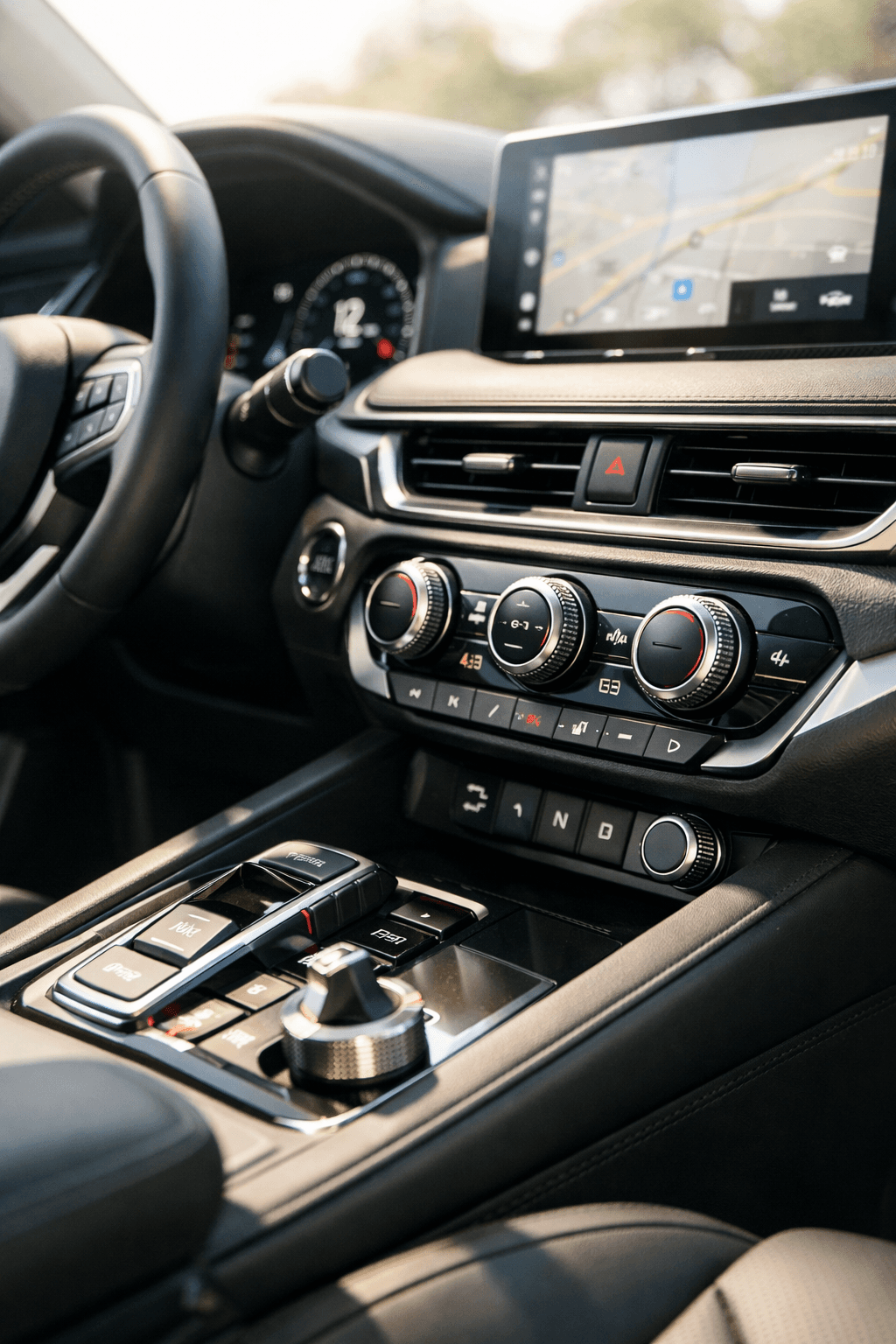
The uncomfortable truth is this: the Model S hasn’t meaningfully evolved in years. Yes, it’s still brutally fast, but its interior feels like a Silicon Valley prototype that forgot to grow up, especially next to a Lucid Air’s craftsmanship or a Porsche Taycan’s tactile brilliance.
Tesla sells far more Model 3s and Model Ys, which start around $38,990 and $43,990 respectively. When your flagship accounts for a tiny slice of volume but eats up engineering resources, accountants sharpen their knives faster than a Nürburgring lap timer.
What Happens to Model X Buyers Left Hanging?
The Model X is a packaging marvel and a usability nightmare, often simultaneously. Those falcon-wing doors still impress neighbors, but they’ve aged about as gracefully as a first-gen iPad, especially compared to the Rivian R1S, BMW iX, and Mercedes EQS SUV.
If Tesla Model X production winds down fully, expect used prices to wobble and long-term parts support to become a dinner-table argument. Tesla says service will continue, but ask any long-term owner how “we’ll support it later” usually pans out.
The Strategy Shift Nobody at Tesla Wants to Admit
This is Tesla admitting it’s no longer chasing the luxury narrative. The brand that once embarrassed S-Classes is now focused on manufacturing efficiency, software margins, and selling a billion identical crossovers.
It mirrors what we’re seeing industry-wide, as explained in our analysis on EVs outselling gas cars in Europe. Volume, not velvet-lined door pockets, is where the future profits live.
Competitors Smell Blood in the Water
Lucid must be popping champagne, because the Air Sapphire makes the Model S Plaid feel like yesterday’s YouTube thumbnail. Porsche’s Taycan still offers steering feel Tesla hasn’t discovered yet, and Mercedes buyers get actual buttons, stitched leather, and doors that don’t rattle.
Even Volvo is moving upscale with precision, as we noted in our Volvo EX60 review, proving you don’t need gimmicks to sell premium EVs.
The Hot Take: Tesla Is Right, and Enthusiasts Are Wrong
Here’s the controversial bit: killing the Model S and X is probably the correct business move. Enthusiasts love flagships, but they don’t keep factories humming at 90% utilization.
Tesla’s real threat isn’t Porsche or Mercedes; it’s BYD, Hyundai-Kia, and Chinese manufacturers scaling brutally fast, as we discussed in our BYD market analysis. Heritage doesn’t matter when someone undercuts you by $10,000.
What This Means for Used Buyers Right Now
If you’re shopping pre-owned, the Tesla Model S end could be your golden ticket. Expect 2024 and 2025 cars with sub-30,000 miles to dip below $60,000, which is absurd performance per dollar.
Just budget for tires that evaporate faster than Tesla PR tweets and insurance premiums that’ll make you miss your old V8.
Brand Fallout: Is Tesla Losing Its Soul?
Tesla once felt rebellious, like a startup flipping the bird at Stuttgart. Now it feels corporate, efficient, and a bit sterile, the automotive equivalent of a perfectly optimized spreadsheet.
When your brand story shifts from “world’s best car” to “world’s biggest factory,” some magic inevitably leaks out.
Pros
- Insane straight-line performance remains unmatched per dollar
- Simplifies Tesla’s lineup for efficiency and scale
- Creates strong used-market opportunities
- Focuses resources on mass-market EV adoption
Cons
- Loses a halo car that defined the brand
- Luxury buyers may permanently defect
- Signals less interest in enthusiast-focused vehicles
The Tesla Model S end marks the close of an era where Tesla shocked the world instead of optimizing it. As a business move, it’s sharp and logical; as a car enthusiast, it stings like watching your favorite band go corporate. If the future really is cheaper, faster, and more anonymous, at least we can say we were there when the madness began.
Affiliate Disclosure: This article contains affiliate links. If you purchase through these links, we may earn a small commission at no extra cost to you. This helps support our work and allows us to continue providing free automotive content. Learn more about our affiliate policy.